Met at Cairo airport and driven straight to the hotel — no sightseeing on arrival day, because nobody is any use after a flight. Time to swim, eat early and sleep. Your guide comes by to say hello and go through the week. Overnight in Cairo.
Egypt is one of the best countries in the world to take children to, and one of the easiest to get wrong with them. Mummies, hidden tombs, gods with animal heads and a river full of things to look at — but also forty degrees, five o’clock starts and four temples in a day. The difference between a brilliant family holiday and a miserable one is almost entirely the pace.
Seven days, entirely private, built the way families actually work: one site in the morning while everyone is fresh, the afternoon free for the pool and the deck, and an Egyptologist who tells it as a story instead of a date list.
Mornings out, afternoons off. Every touring day ends by early afternoon. Nobody is dragged through a fifth temple in the heat.
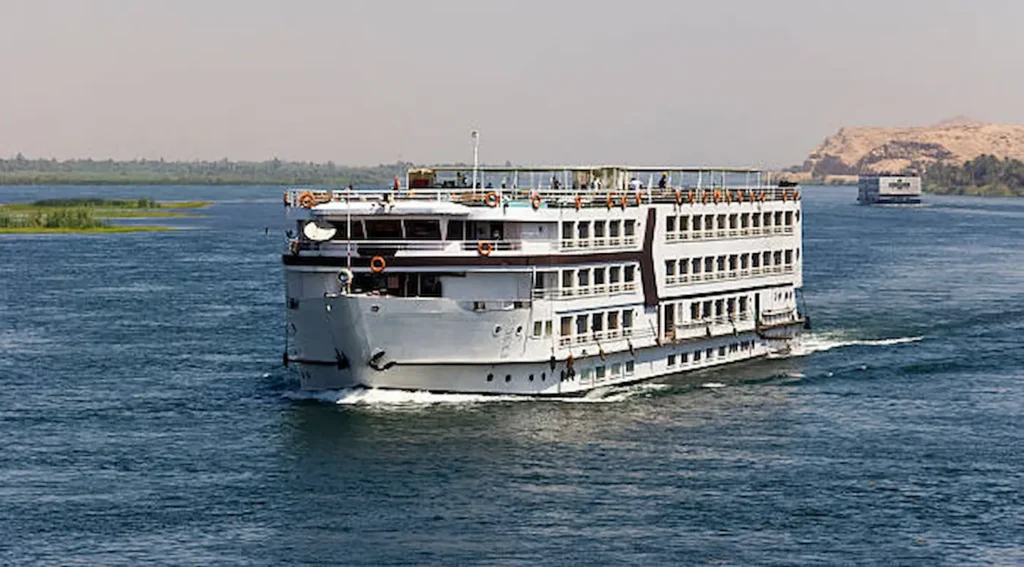
A ship with a pool, not a sailing boat. We love dahabeyas and this is not the trip for one. A five-star Nile ship gives children space to move, water to get into and other passengers to ignore — and it gives you somewhere to sit while they do.
Flights instead of the road. Cairo to Luxor is an hour in the air or ten on tarmac. With children the choice makes itself.
A guide who has done this before. The gap between a guide who is good with adults and one who is good with an eight-year-old is enormous. Ours does the hieroglyph alphabet so they can write their own names, and treats the Valley of the Kings as what it is: a hillside with treasure hidden in it.
From about six, and properly well from about eight or nine. Under five the temples mean nothing and the heat means a great deal, and we will say so if you ask.
Teenagers do well if they get a say. Let them pick one tomb and the day changes. What reliably lands at every age: mummies, writing your own name in hieroglyphs, the felucca, and the cats — which are everywhere, and which Egypt has had opinions about for four thousand years.
When to come. November to March. Outside those months the heat decides the day, not you.
Food. Ships cater to mixed tastes and there is always plain rice, bread, pasta and fruit. No tap water, including for teeth. Ice only where you trust the kitchen.
Safety on the water. Nobody swims in the Nile. The ship’s pool is the pool.
Tombs. Narrow, warm and reached by steps. Most children are delighted; a claustrophobic child will not be, and it is entirely fine to sit one out with your guide at the entrance.
Passports. Every child needs their own, valid six months beyond the trip, and a visa — including babies.
Changing the plan on the day. Because it is private, you can. If somebody is done, we go back to the ship. That is the whole reason to book it privately.
Slower, or differently — always possible. Tell us how you like to travel and we will rebuild the day around it.
Two practical reads for families: the best months to travel and what to tip, in actual numbers. Tell us how old your children are and we will say honestly whether this year is the right one.
We sail every Saturday from Luxor. Every date below was open when we last checked on 14 September 2026. Your cabin is confirmed in writing before you pay anything.
Saturdays continue weekly through October 2027 — ask for any date that is not listed. For a family or a group of friends we also charter the whole boat privately, on almost any date you like.
Met at Cairo airport and driven straight to the hotel — no sightseeing on arrival day, because nobody is any use after a flight. Time to swim, eat early and sleep. Your guide comes by to say hello and go through the week. Overnight in Cairo.
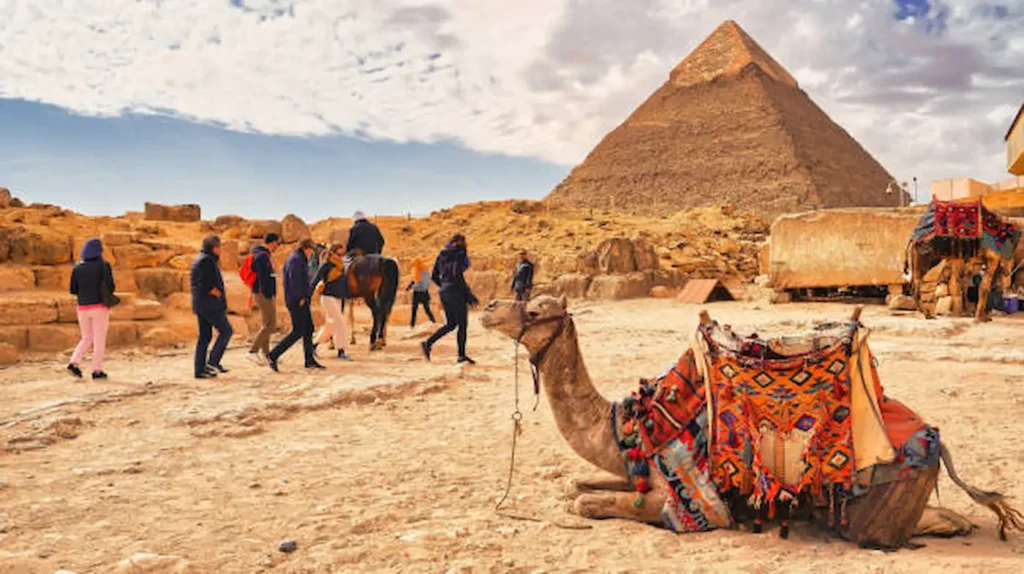
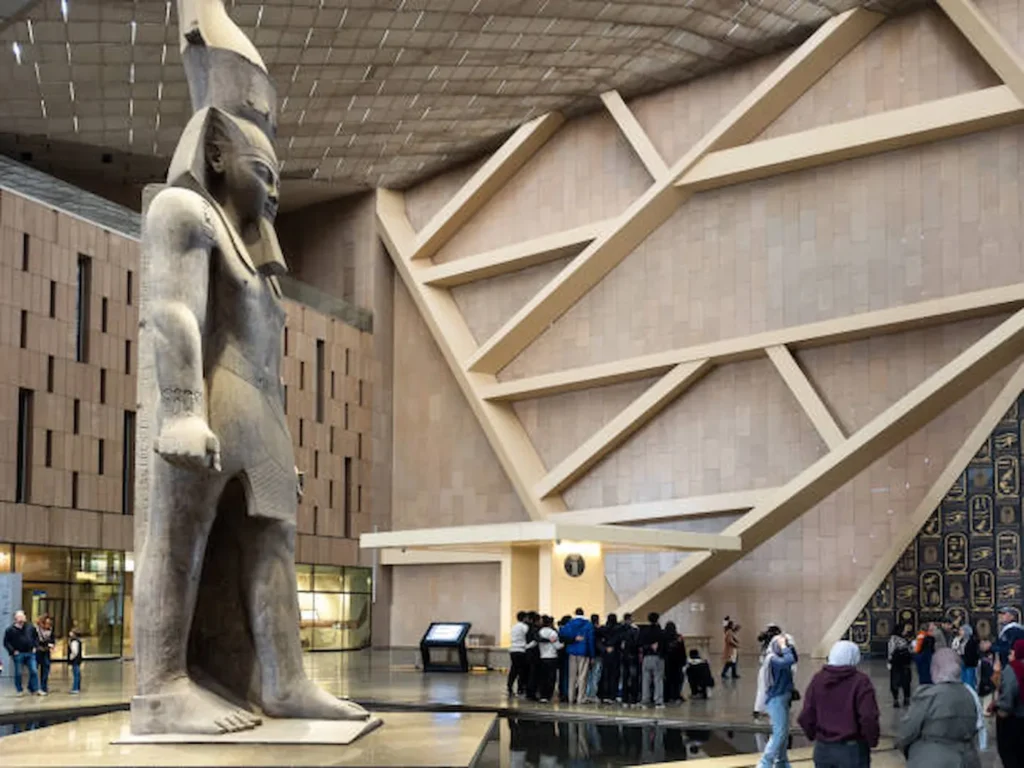
Giza first thing, before the heat and the crowds: the three pyramids, the Sphinx, and camels for photographs if that appeals. In the afternoon the Grand Egyptian Museum, which is the one museum we have never seen a child be bored in — Tutankhamun’s chariots, his sandals, his board games, and a boy king who was nine when he took the throne. Back at the hotel with the afternoon still going. Overnight in Cairo.
A short flight to Luxor and aboard the ship, where the first thing that happens is usually the pool. In the afternoon Karnak, told as a story rather than a lecture: the god who lived in the dark room at the back, the pharaohs who each added their own bit, and the forest of columns you can get lost in. Overnight on board.
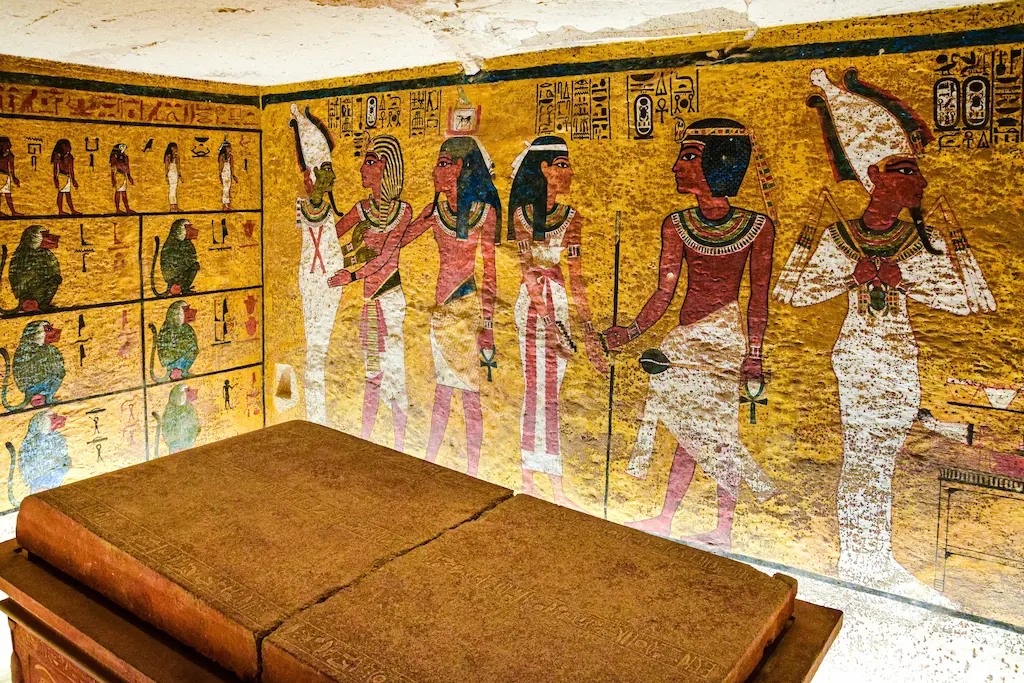
An early crossing to the West Bank, which is worth the alarm because the tombs are cool and empty at that hour. Three tombs in the Valley of the Kings — a hillside where sixty-odd kings were buried in secret, and the treasure hunt tells itself. Hatshepsut’s temple afterwards: the queen who ruled as pharaoh and whose face her successor tried to erase. Back on board by lunch to swim while the ship sails south. Overnight on board.
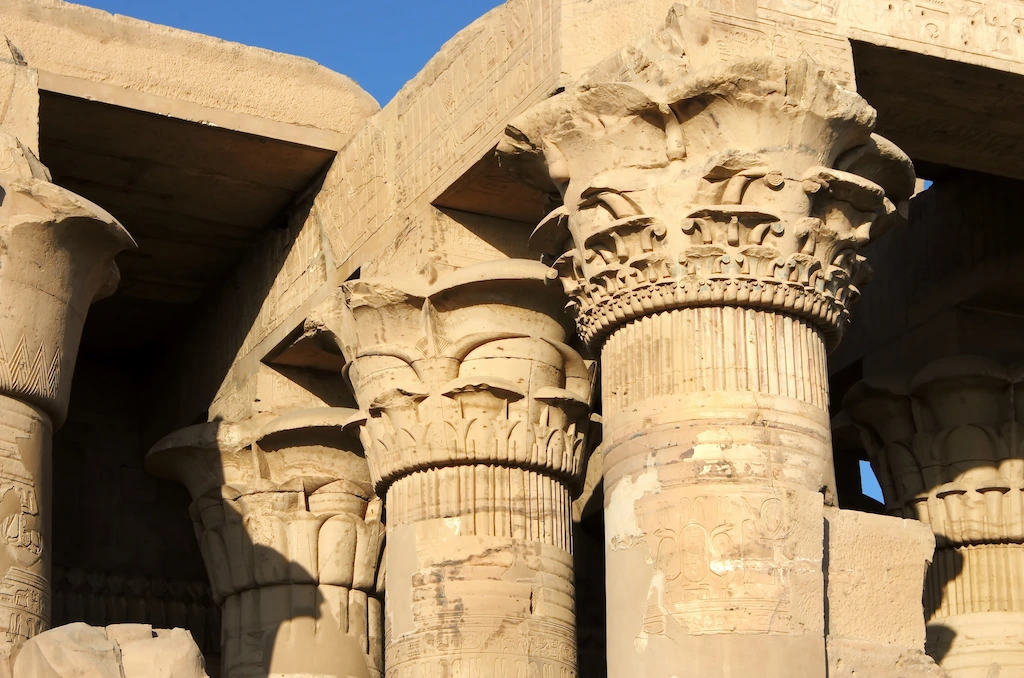
A horse carriage from the mooring at Edfu up to the Temple of Horus — for most children the carriage is the event and the temple is the bonus, which is fine. In the afternoon Kom Ombo, right on the water: two gods, two of everything, and a room full of mummified crocodiles that never needs explaining twice. Overnight on board.
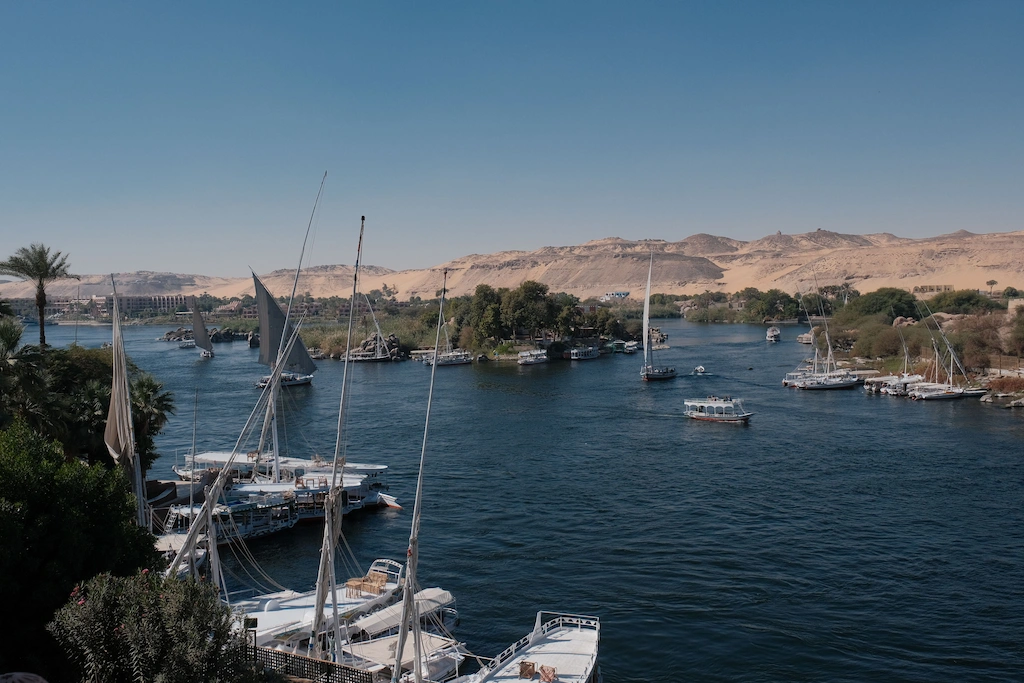
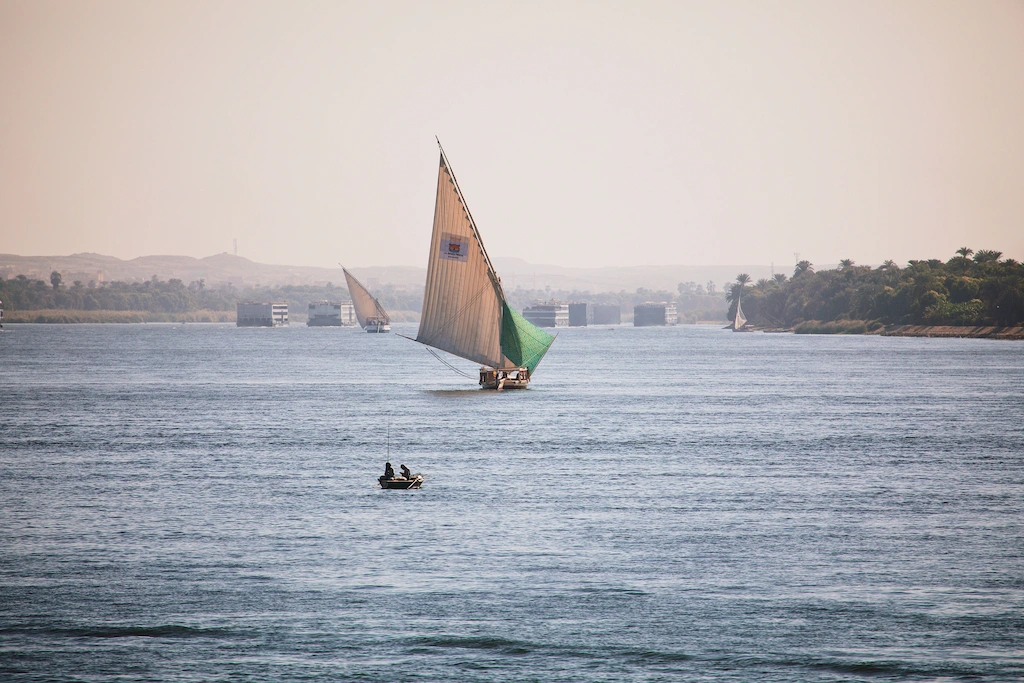
A boat out to the island Temple of Philae at Aswan, which was taken apart and moved to save it from the rising water — a good story for anyone who likes big machines. In the afternoon a felucca under sail, no engine, past Elephantine Island; the crew usually lets children take the tiller. This is the hour most families name as their favourite. Overnight on board in Aswan.
Breakfast on board and the transfer to Aswan airport for your flight home or on to Cairo. End of services.
Need help with booking? Send Us A Message