Met at Cairo airport and transferred to your hotel. A short briefing with your guide over tea — the shape of the nine days, what to pack for the desert night as opposed to the Nile afternoon, and how the two halves fit together. Overnight in Cairo.
Two Egypts in nine days. The first is the one everybody pictures: temples, tombs and a ship moving between them on the Nile. The second is the Western Desert — a quarter of the country’s landmass, almost nobody living in it, and a stretch of chalk near the Bahariya oasis eroded into shapes that look like a different planet.
Most itineraries choose one or the other. This one does both, and the contrast is the point. You spend five days among stone that people spent lifetimes carving, and then a night in a place where nothing has been touched at all.
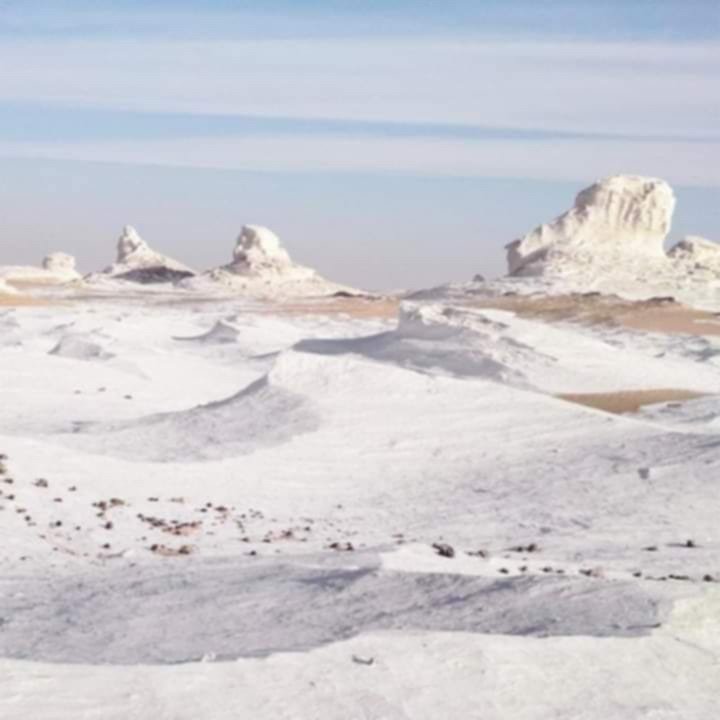
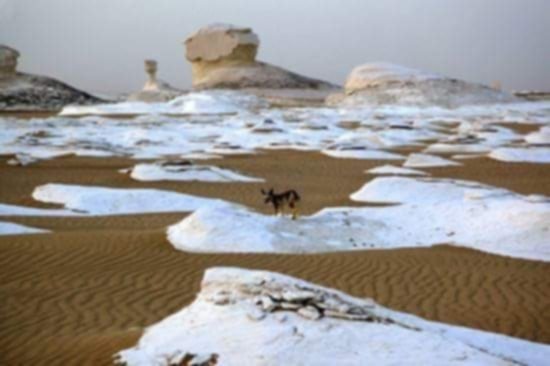
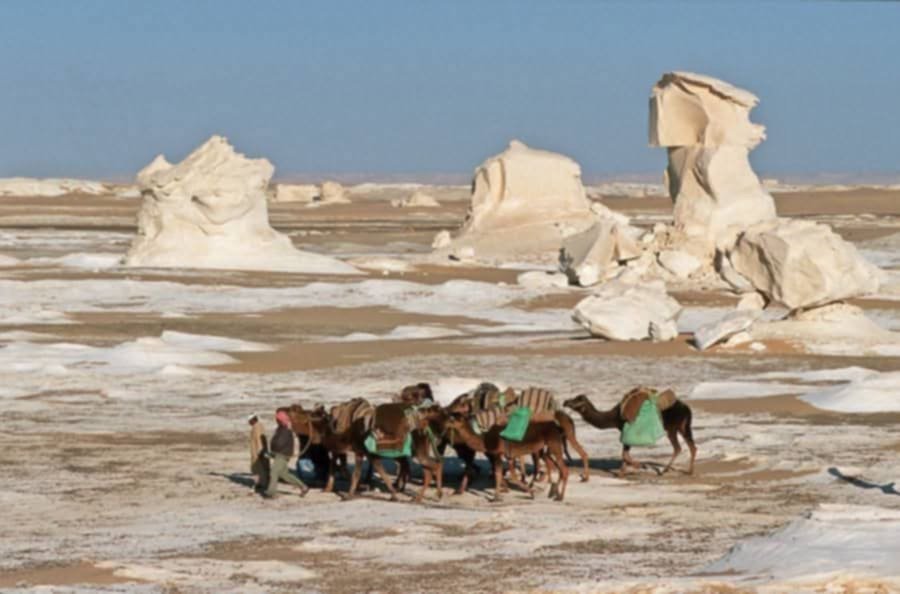
Forty-five million years ago this was a seabed. What is left is chalk, and the wind has spent the intervening time carving it into mushrooms, towers and animals, white against orange sand. You reach it by 4×4 from the Bahariya oasis, crossing the Black Desert on the way — volcanic hills scattered with dark basalt, a completely different palette an hour earlier.
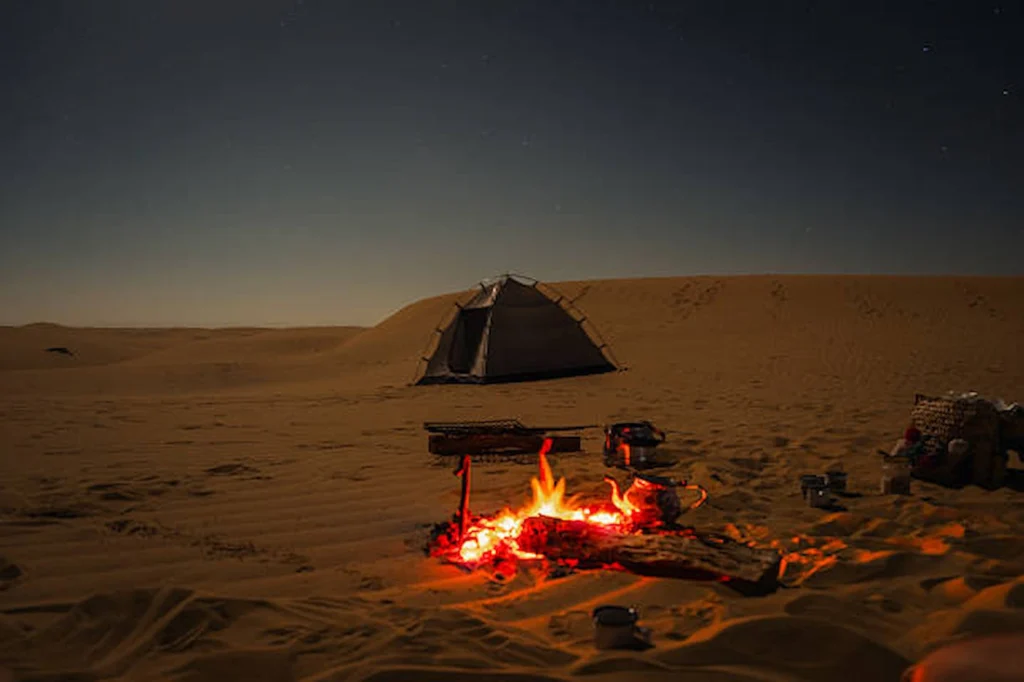
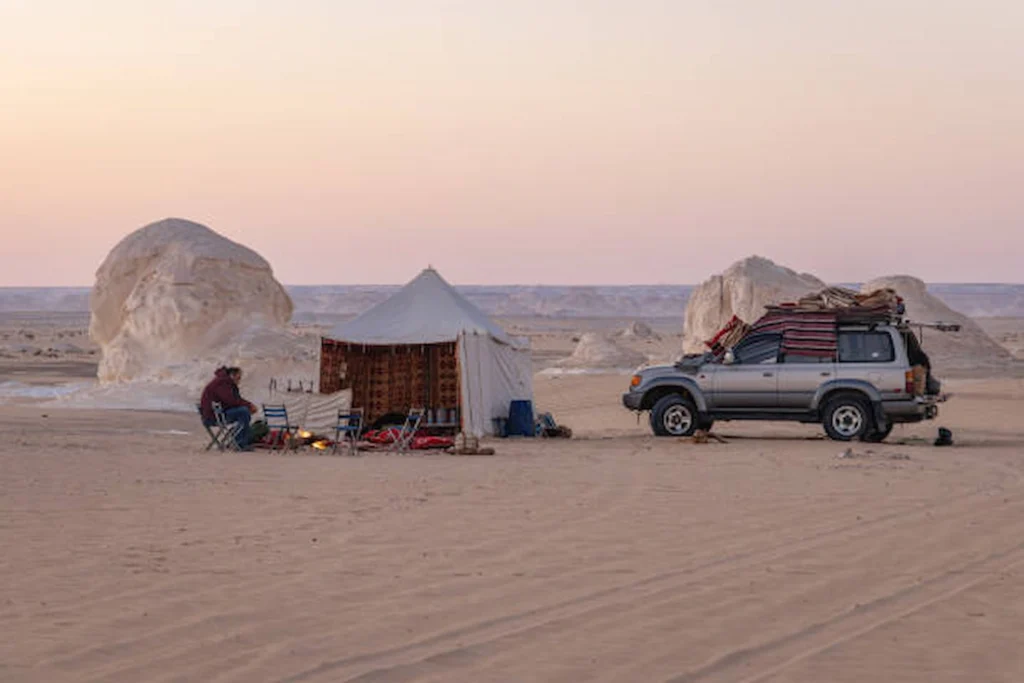
You camp. Not in a lodge nearby — in the formations, with a Bedouin crew who set up, cook over a fire and put mattresses out under the open sky. There is no light for a very long way in any direction, which makes this one of the better places on earth to look up. It is also, from November to February, genuinely cold after dark: single figures is normal. The crew has blankets, you should bring a proper jacket.
Facilities are what a desert camp has, which is to say almost none. No running water, no bathroom, no electricity. One night of that is an adventure and most guests say it was the best part of the trip. Two would be a different conversation.
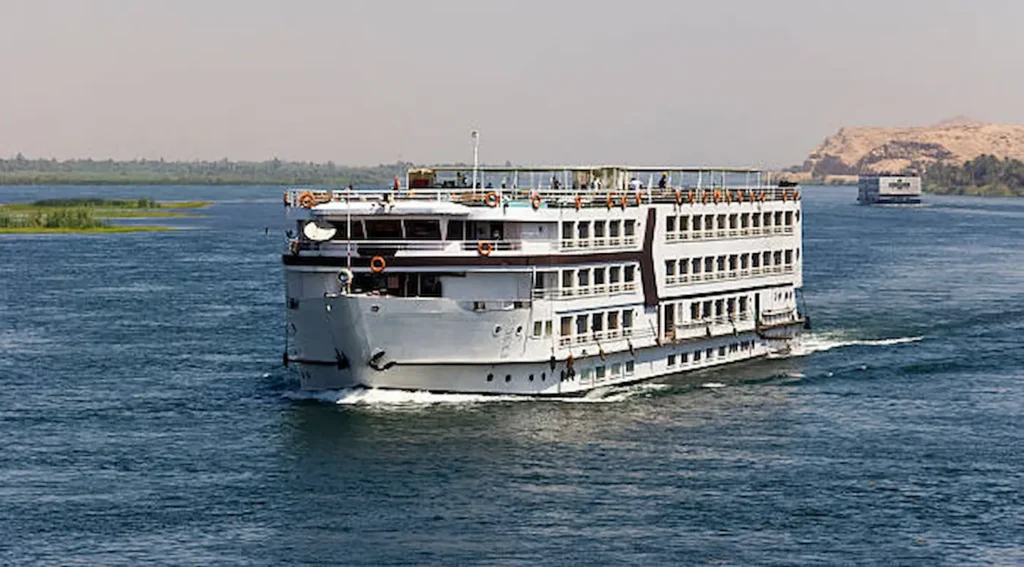
Three nights on a five-star ship between Luxor and Aswan, privately guided: Karnak and Luxor Temple, the Valley of the Kings and Hatshepsut on the West Bank, then Edfu, Kom Ombo and Philae as the boat moves upstream. Your Egyptologist is yours, not shared with a group of forty, so the pace at each site is set by your questions.
We use a ship rather than a dahabeya on this itinerary because the desert half is demanding and a few nights with a pool, air conditioning and a proper bed on either side of it make the whole thing work better. If you would rather sail, we can swap it — it changes the length.
Day seven is long: Cairo to Bahariya is around four hours on tarmac, then hours more off it. The 4×4 sections are bumpy in the way that desert driving is always bumpy, and anyone with back trouble should say so before booking. The temperature swing between a Nile afternoon and a desert night in winter can be twenty-five degrees in the same twenty-four hours.
None of this is a warning against it. It is what the trip is, and people who want it want exactly this.
Travellers who have already done a straightforward Nile trip somewhere, or who would find nine days of temples too much of one thing. Photographers, unsurprisingly. Couples and small groups of friends. Teenagers usually love the desert night more than any temple.
Slower, or differently — always possible. Tell us how you like to travel and we will rebuild the day around it.
The desert nights are cold and the Nile days are hot. Our month-by-month guide says when the combination works best — for this particular itinerary the answer is narrower than usual.
We sail every Saturday from Luxor. Every date below was open when we last checked on 14 September 2026. Your cabin is confirmed in writing before you pay anything.
Saturdays continue weekly through October 2027 — ask for any date that is not listed. For a family or a group of friends we also charter the whole boat privately, on almost any date you like.
Met at Cairo airport and transferred to your hotel. A short briefing with your guide over tea — the shape of the nine days, what to pack for the desert night as opposed to the Nile afternoon, and how the two halves fit together. Overnight in Cairo.
Giza in the morning while the plateau is still cool: the three pyramids, the Sphinx, and inside one of the pyramids if you want it. In the afternoon the Grand Egyptian Museum just below the plateau — the complete Tutankhamun assemblage, the hanging obelisk, and a staircase of colossal statues that ends at a window facing the pyramids. Overnight in Cairo.
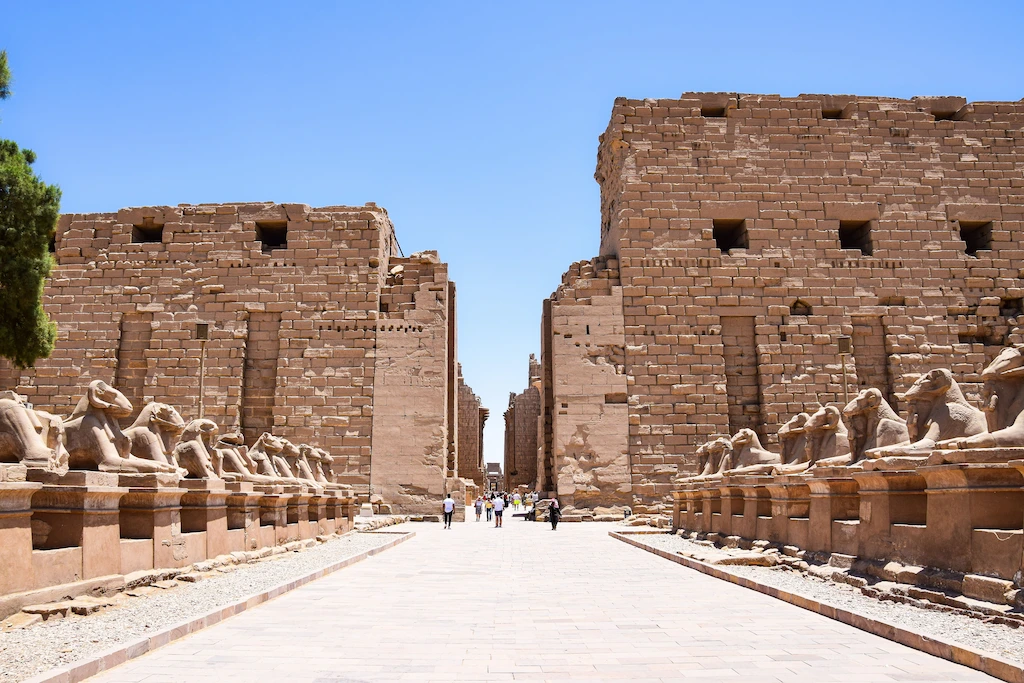
A morning flight to Luxor, about an hour, and aboard your ship in time for lunch. In the afternoon Karnak, where building continued for two thousand years, and Luxor Temple in the low evening light with the avenue of sphinxes running between them. Overnight on board in Luxor.
Across to the West Bank early, because the tombs are only bearable before the heat. Three tombs in the Valley of the Kings, chosen by your guide from whichever are open that day, then Hatshepsut’s terraces cut into the cliff at Deir el-Bahari and the Colossi of Memnon on the way back. Aboard by afternoon, and the ship sails south through the Esna lock. Overnight on board.
Edfu in the morning, reached by horse carriage: the Temple of Horus, the best preserved in the country, buried in sand for centuries and therefore almost intact. In the afternoon Kom Ombo, standing directly on the riverbank — a double temple, mirrored down the middle for two gods, with a chapel of mummified crocodiles beside it. Overnight on board.
The island Temple of Philae by boat at Aswan, dedicated to Isis and relocated block by block when the dam was built. A felucca on the river afterwards if the timing allows. Then disembark and fly back to Cairo, because tomorrow starts early and in the other direction. Overnight in Cairo.
Out of the city by road to the Bahariya oasis, around four hours, with the last of the green disappearing behind you. Lunch in the oasis, then into 4x4s: across the Black Desert, past the golden dunes and Crystal Mountain, and into the White Desert as the light goes orange. Your Bedouin crew makes camp among the chalk formations and cooks over a fire. Mattresses under the open sky, no light anywhere, and a great deal of it above. Overnight camping in the White Desert.
Awake early, because the formations at first light are the reason people come. Breakfast in the sand, time to walk among them, and then the drive back — through the oasis, past the hot springs, and east to Cairo, arriving in the evening. A hot shower is not a small thing at this point. Overnight in Cairo.
Depending on your flight, a last morning in the city or a straight transfer to the airport. End of services.
Need help with booking? Send Us A Message