Met at the airport and transferred to your hotel. Overnight in Cairo.
This is the route for people who have read about Egypt and want the parts that are usually left out. Ten days, one guide, four very different places, and long enough that nothing has to be rushed.
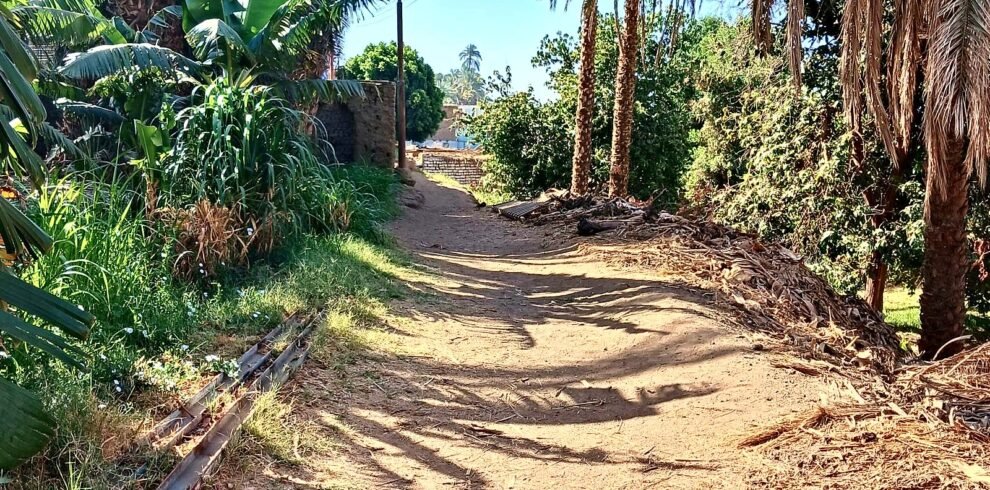
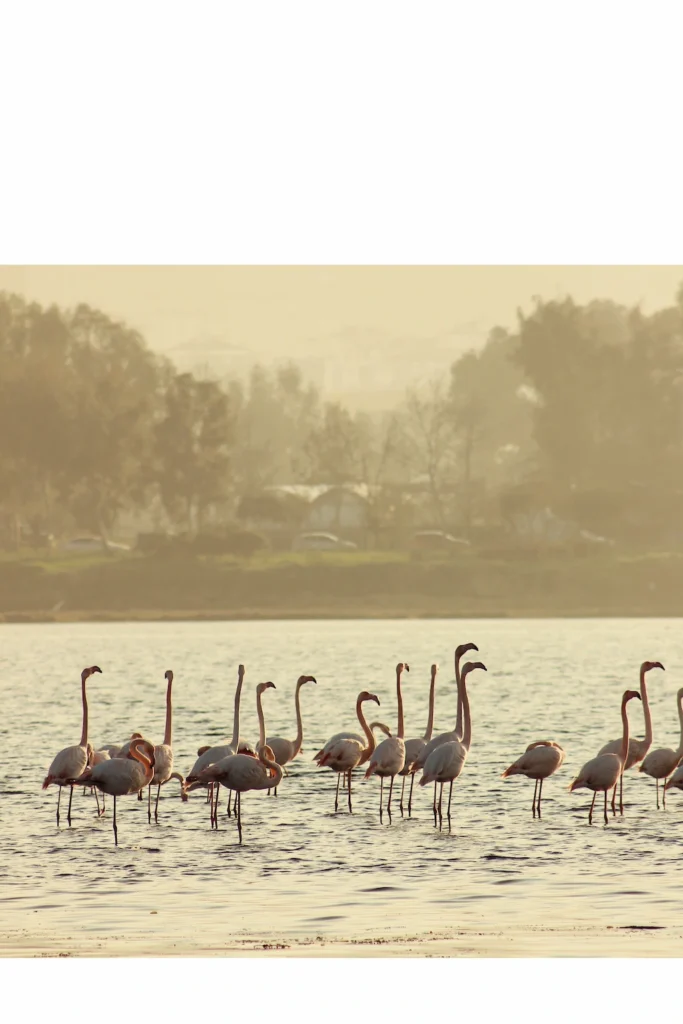
Ninety minutes from Cairo and off every standard itinerary. Lake Qarun is older than the pyramids and was a freshwater lake when the pharaohs hunted on it. Wadi El Rayan has waterfalls in the middle of the desert, which sounds like a misprint until you are standing at them.
And Wadi El Hitan, the Valley of the Whales - a UNESCO site where the skeletons of whales that still had legs lie in the sand where they fell forty million years ago. They are not in a museum. They are where they died, on what was then a seabed. The entrance fee for it is in the price, by name.
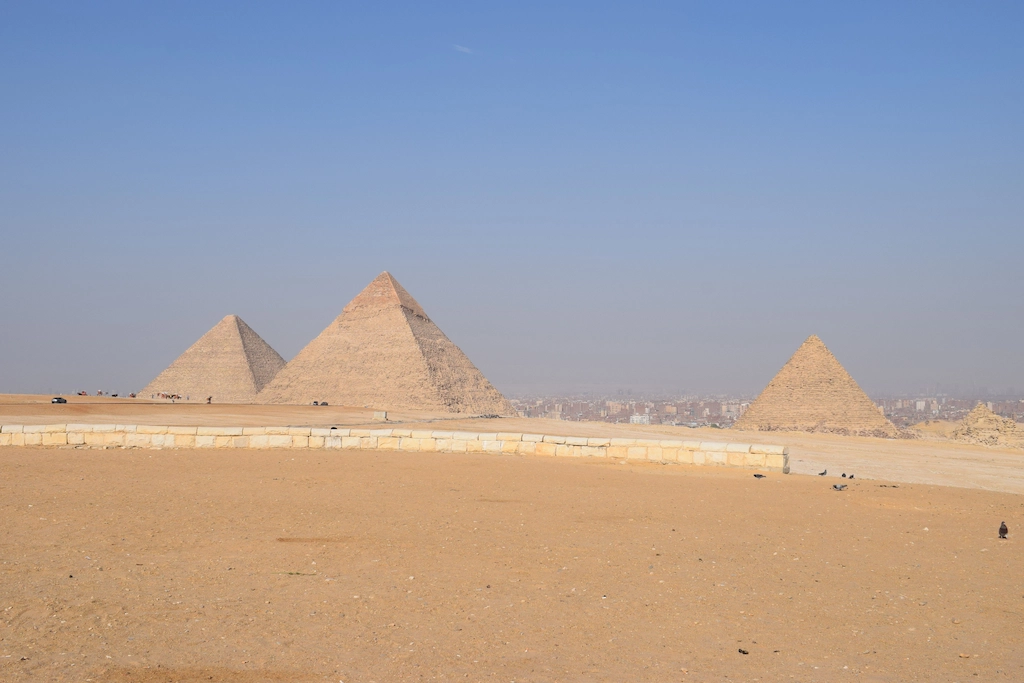
Day three is the one Egyptologists get excited about and most itineraries skip. Saqqara has the Step Pyramid of Djoser, the first large stone building anyone ever put up. Dahshur has the Bent Pyramid, where the angle changes halfway because it was going wrong, and the Red Pyramid beside it, where they got it right.
Three attempts at the same problem across about fifty years, and you can stand in front of all three in an afternoon. After that, Giza reads completely differently.
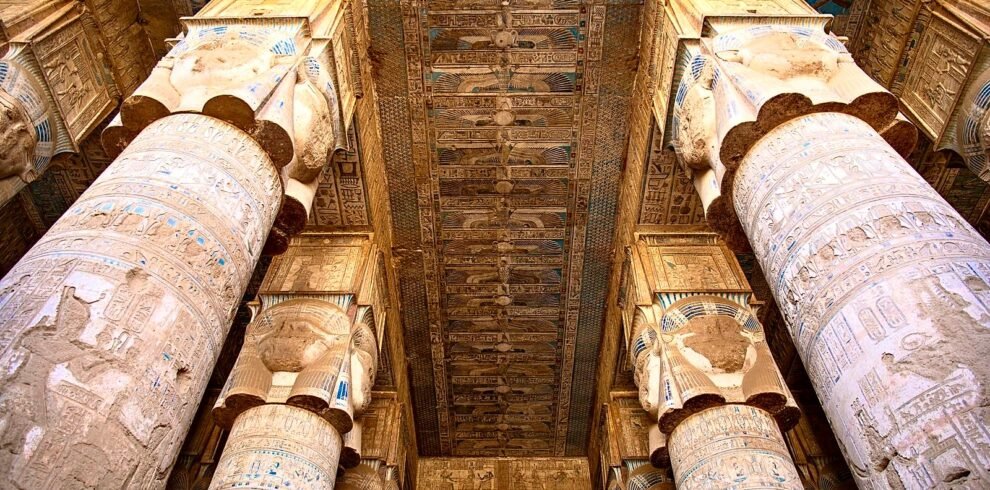
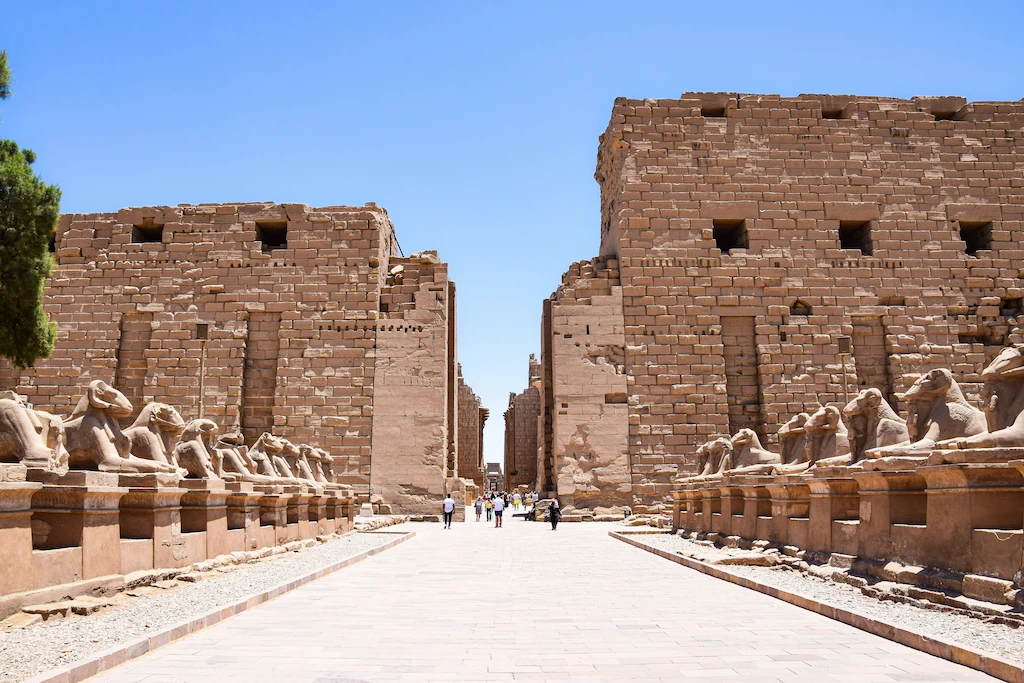
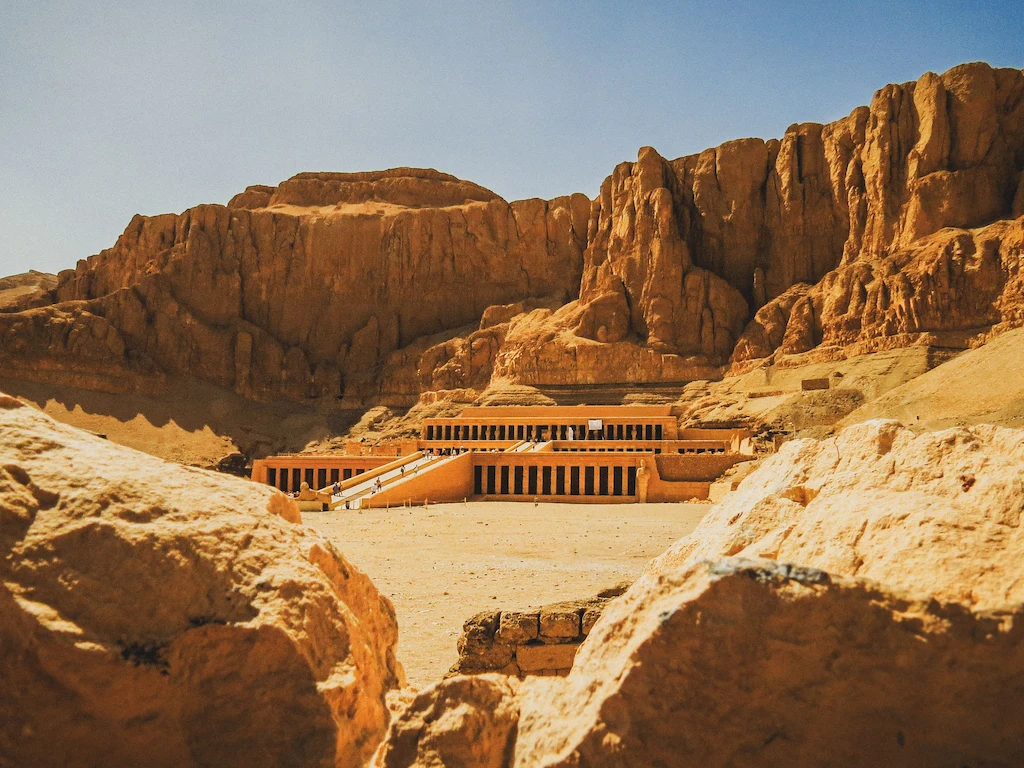
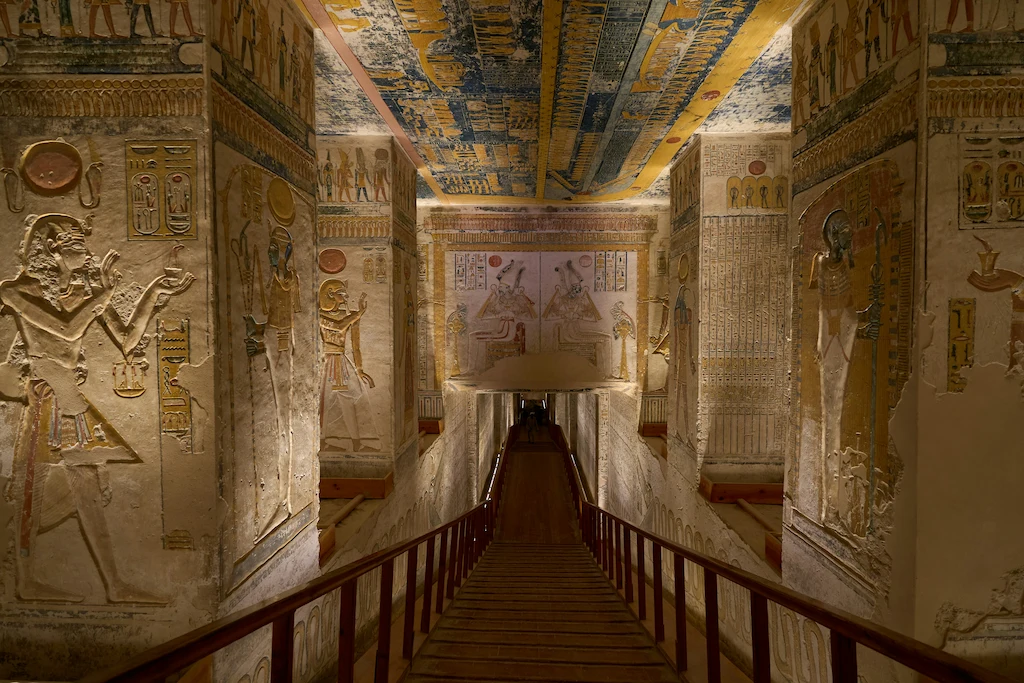
Both banks with time to spare: Karnak in the late afternoon and Luxor Temple lit after dark on one day, the Valley of the Kings, Hatshepsut and Medinet Habu early on the next. Medinet Habu is the one people have not heard of and the one they photograph most - the painted colour there has survived better than almost anywhere in Egypt.
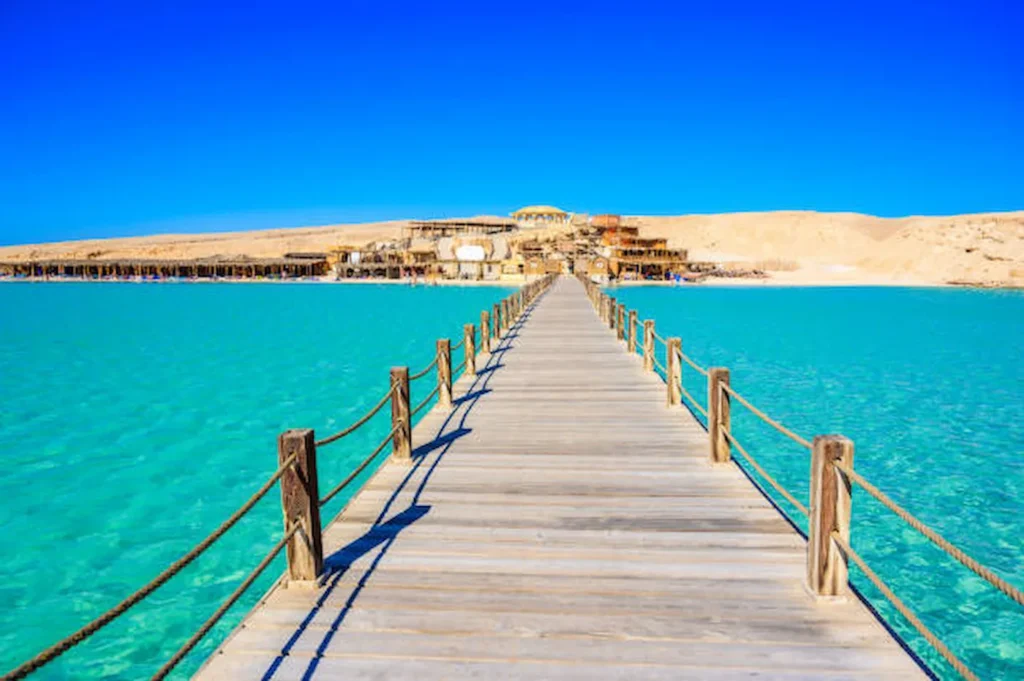
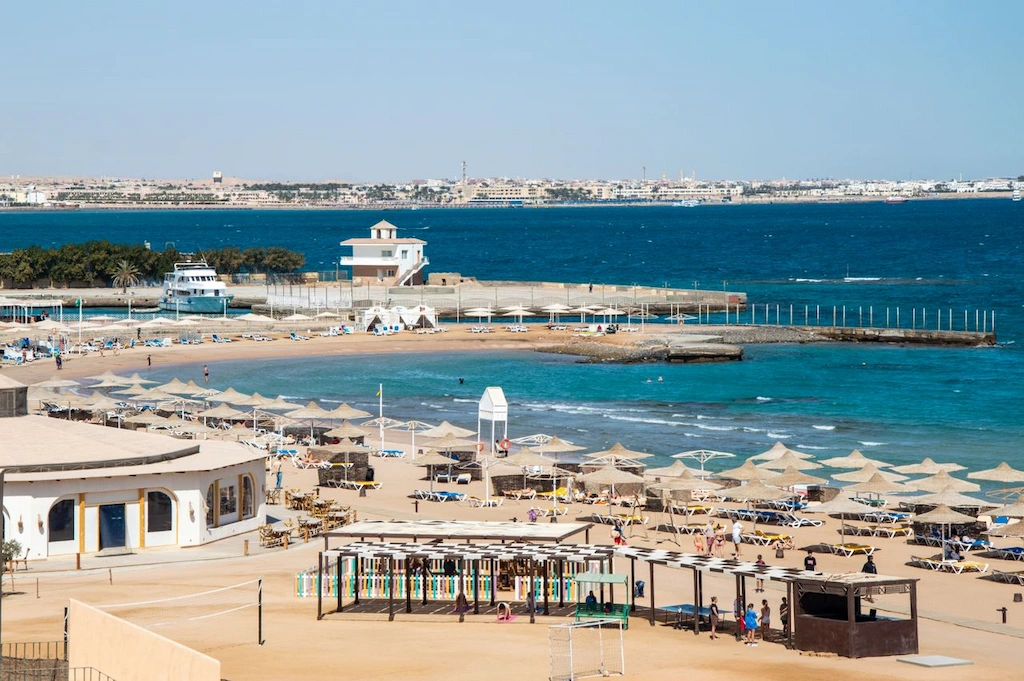
Then four hours east to the Red Sea and a day with nothing in it. We can arrange snorkelling or a boat if you want them; doing nothing is also a plan.
There is a fair amount of driving: Cairo to the Fayoum and back, and Luxor to the coast. It is a private air-conditioned car with your own stops, not a bus, but it is still hours in a vehicle on three of the ten days.
Breakfast is included at every hotel. Lunches, dinners, drinks, the Luxor balloon and any Red Sea excursions or diving are not.
The Fayoum is rural. Accommodation there is comfortable and simple rather than five-star, and that is the trade for being somewhere almost nobody goes.
Second-time visitors, and first-time visitors who read a lot. Anyone who finds the standard eight-day Cairo-and-cruise route too neat. Families with older children do well on it, largely because of the whales.
Slower, or differently - always possible. Tell us how you like to travel and we will rebuild the day around it.
Ten days across four very different places. Our month-by-month guide helps you pick the right window, and this explains how to choose your three tombs in the Valley of the Kings.
Diese Reise auf Deutsch: Kairo, Fayoum, Luxor und Rotes Meer, 10 Tage
Met at the airport and transferred to your hotel. Overnight in Cairo.
The plateau in the morning while it is cool, the museum afterwards. Overnight in Cairo.
The Step Pyramid of Djoser, then the Bent Pyramid and the Red Pyramid at Dahshur - three attempts at the same problem, fifty years apart. Overnight in Cairo.
South-west to the oasis. Lake Qarun in the afternoon, and a first look at the pottery village of Tunis on the escarpment. Overnight in Fayoum.
The desert waterfalls, then the Valley of the Whales - a UNESCO site where the skeletons lie where they fell. Overnight in Fayoum.
A morning in the oasis, the drive back, and the evening flight to Luxor. Overnight in Luxor.
Karnak in the late afternoon and Luxor Temple lit after dark, with the middle of the day free. Overnight in Luxor.
Valley of the Kings, Hatshepsut’s temple and Medinet Habu, early. In the afternoon, the drive across to the Red Sea. Overnight on the coast.
A day with nothing in it. Snorkelling, a boat, or a chair and the water - we can arrange any of them. Overnight on the coast.
Transfer to Hurghada airport, or onward travel if you are continuing.
Need help with booking? Send Us A Message