Met at the airport and taken to your hotel. Depending on your arrival time, an easy first walk and dinner. Overnight in Cairo.
Three Egypts in nine days, and enough time in each to tell them apart. Cairo for the beginning of everything, the Nile between Luxor and Aswan for the middle of it, and the Red Sea at the end because by then you will have earned the quiet.
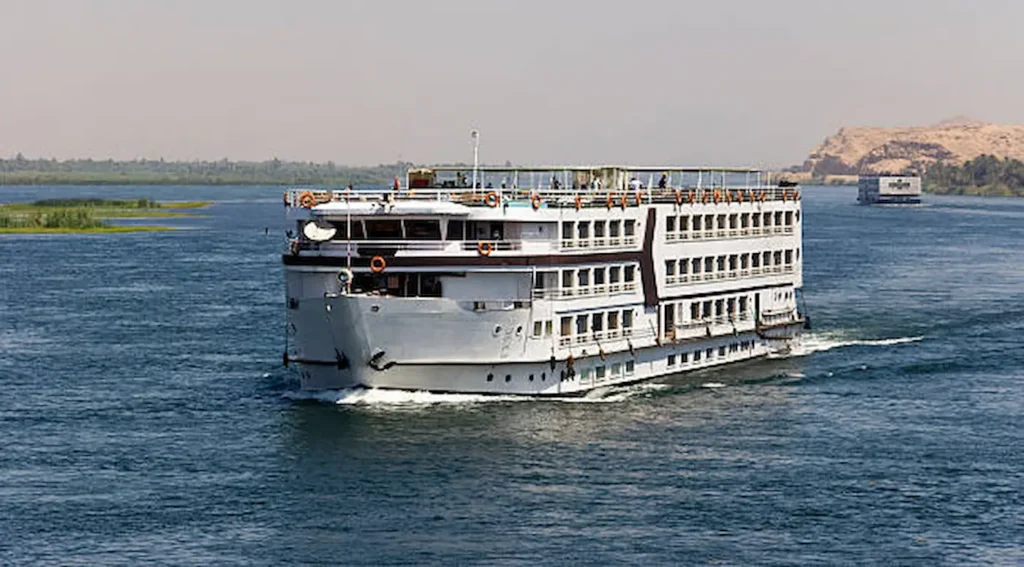
The river section is done under sail on a dahabeya rather than on a floating hotel: a handful of cabins instead of a hundred, moorings at sandbanks where the big boats cannot stop, and temples visited when the light is good rather than when a timetable says.
Cairo first, because everything on the Nile makes more sense once you have seen where its contents ended up. Two days at the start also absorb the jet lag somewhere with air conditioning and a pool, which the boat does not have.
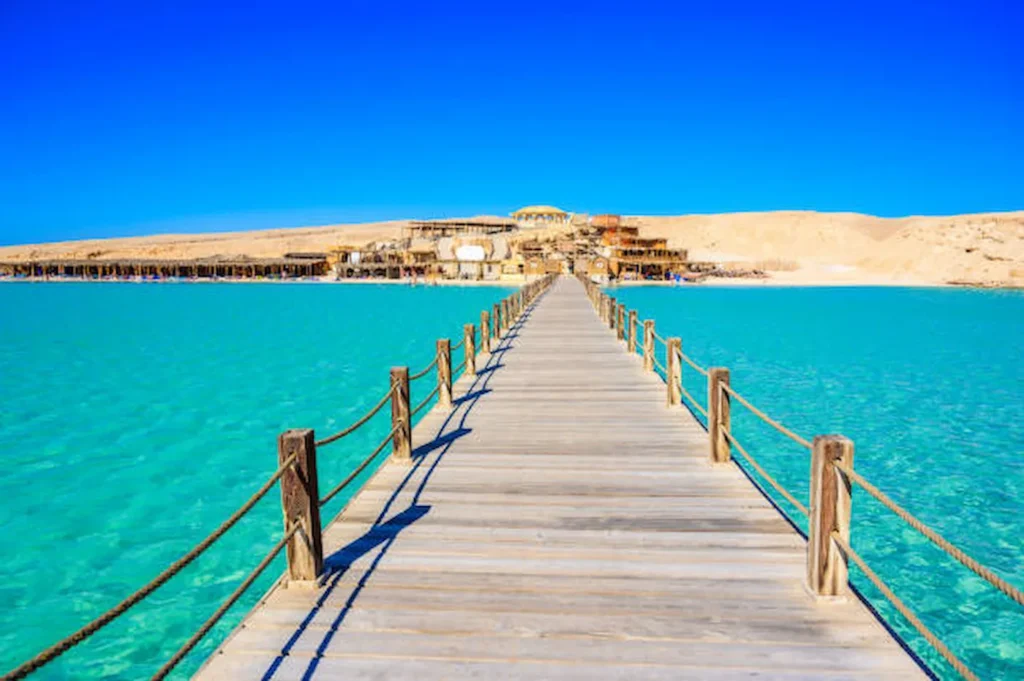
The Red Sea last, and not as filler. Nine days of temples in Upper Egypt is more heat and more standing than people expect, and finishing with two nights by the water is the difference between arriving home tired and arriving home rested.
A dahabeya with a handful of cabins, so you may share it with other travellers; your Egyptologist is private to your party for all nine days. It sails when there is wind and is towed when there is not, which is how these boats have always worked. Full board while you are aboard; the hotels in Cairo, Luxor and on the coast are breakfast only.
If you are weighing this against a five-star ship, here is what the difference actually feels like.
Abu Simbel. It sits three hours south of Aswan and adding it properly needs a day this itinerary does not have. It can be added by road or by air and we quote it separately - several guests do, and it is worth the early start.
Lunches and dinners ashore are also outside the price, along with drinks. Everything on the dahabeya is covered.
Two early mornings: the West Bank on day four, because the tombs are only bearable before the heat, and the Giza plateau on day two for the same reason. Day eight is a moving day - Philae in the morning, then the drive to the coast in the afternoon.
A dahabeya is a small boat. Compact cabins, narrow stairs, no lift and no pool, and going ashore sometimes means a plank and a hand. Tell us before you book if that is a problem and we will be straight with you about which moorings work.
People who want one trip rather than three, and who would rather not decide between ruins and a beach. Couples, mostly, and small groups of friends. It is a good second visit to Egypt and a perfectly good first one.
Slower, or differently - always possible. Tell us how you like to travel and we will rebuild the day around it.
Two things worth reading first: how long the Grand Egyptian Museum needs, and which month suits you.
Met at the airport and taken to your hotel. Depending on your arrival time, an easy first walk and dinner. Overnight in Cairo.
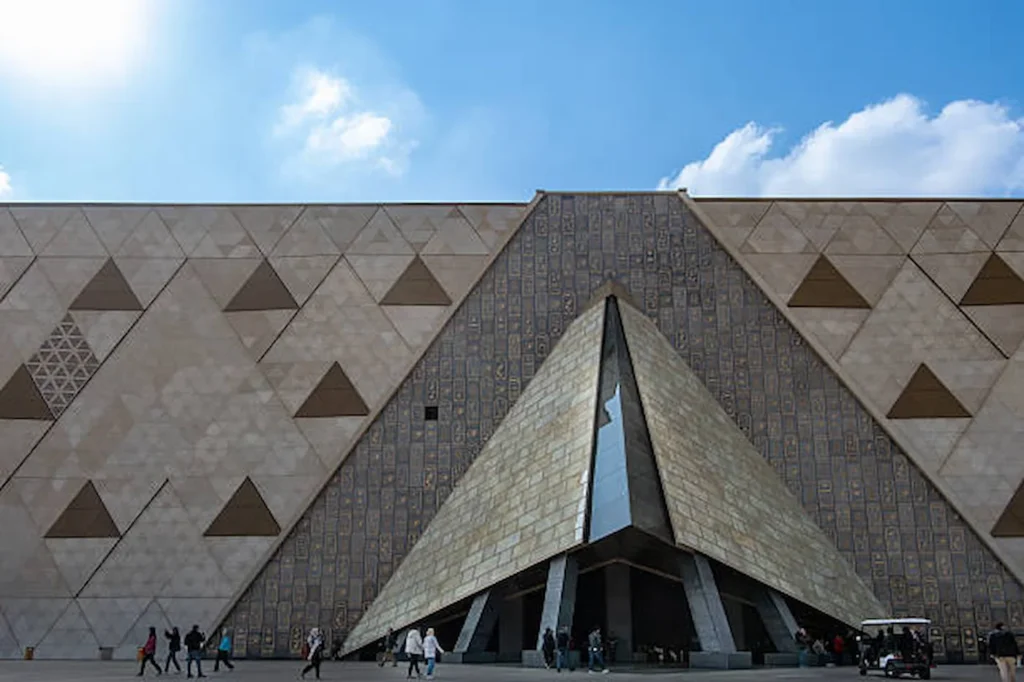
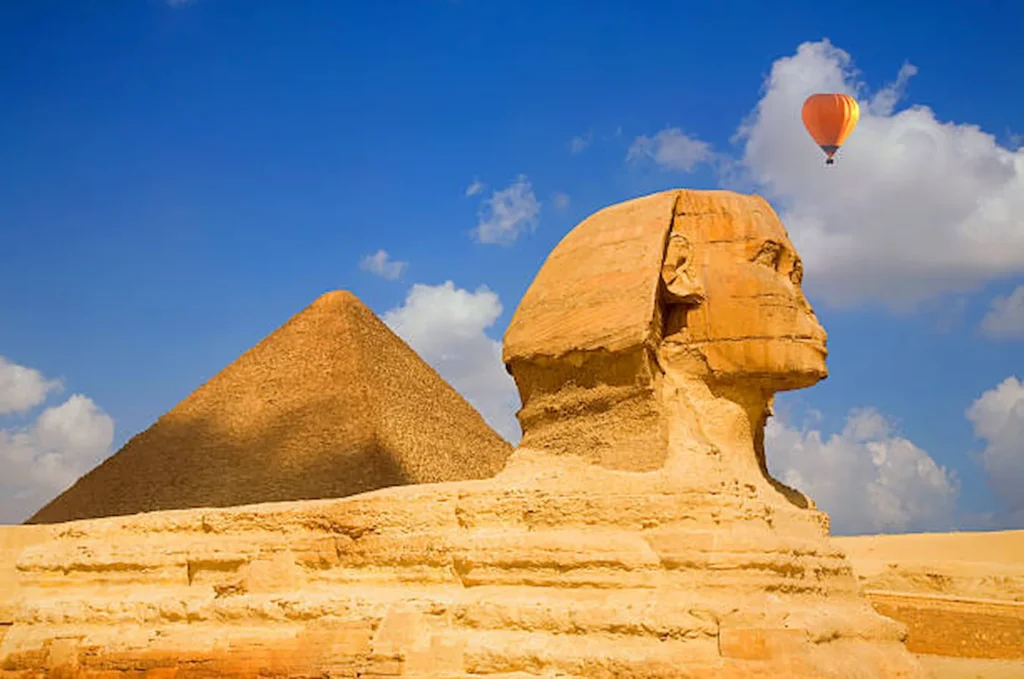
The pyramids and the Sphinx in the morning, then the new museum below the plateau with the complete Tutankhamun collection. Overnight in Cairo.
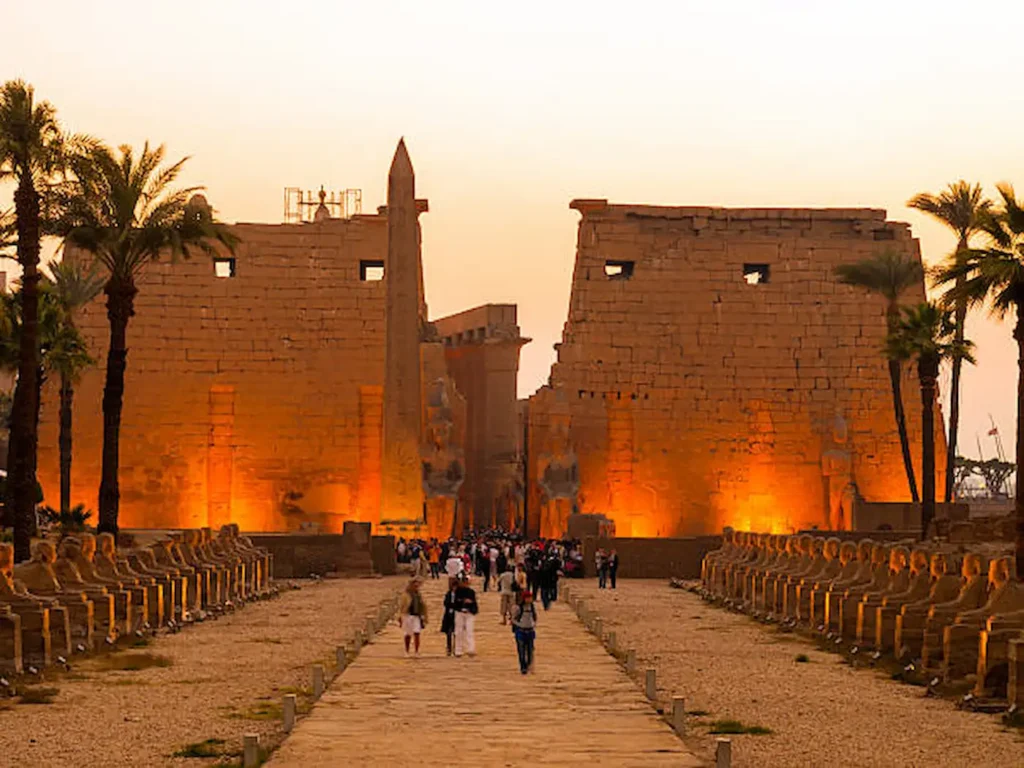
Morning flight south. In the late afternoon, Karnak as the light softens, and Luxor Temple after dark. Overnight in Luxor.
The Valley of the Kings and Hatshepsut’s temple in the cool of the morning. In the afternoon you board the dahabeya. Overnight on board.
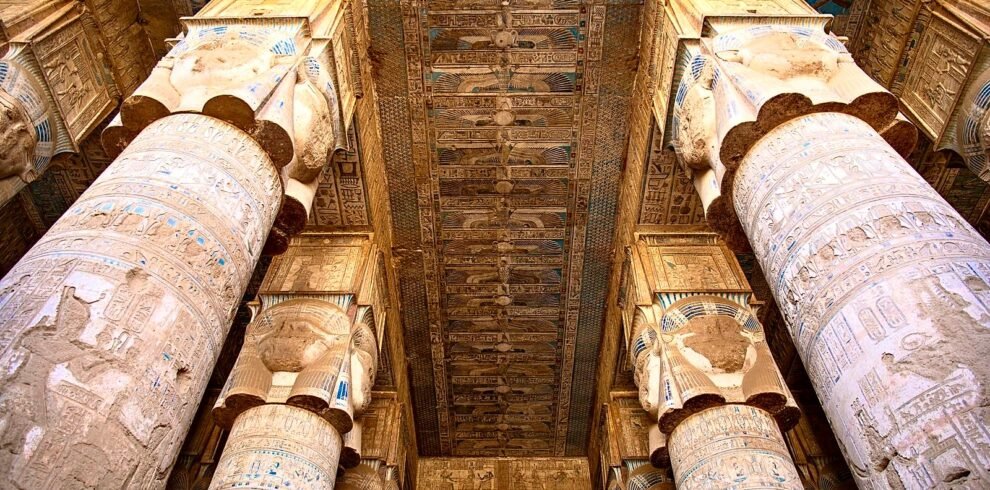
A full day on the water with a stop at Esna, where the temple of Khnum sits below the level of the modern town, its ceiling newly cleaned. Overnight moored on a sandbank.
The best-preserved temple in Egypt, built for Horus over a hundred and eighty years. Sailing on in the afternoon. Overnight on board.
The double temple shared between Sobek and Haroeris, then the last stretch of river into Aswan. Overnight on board or ashore.
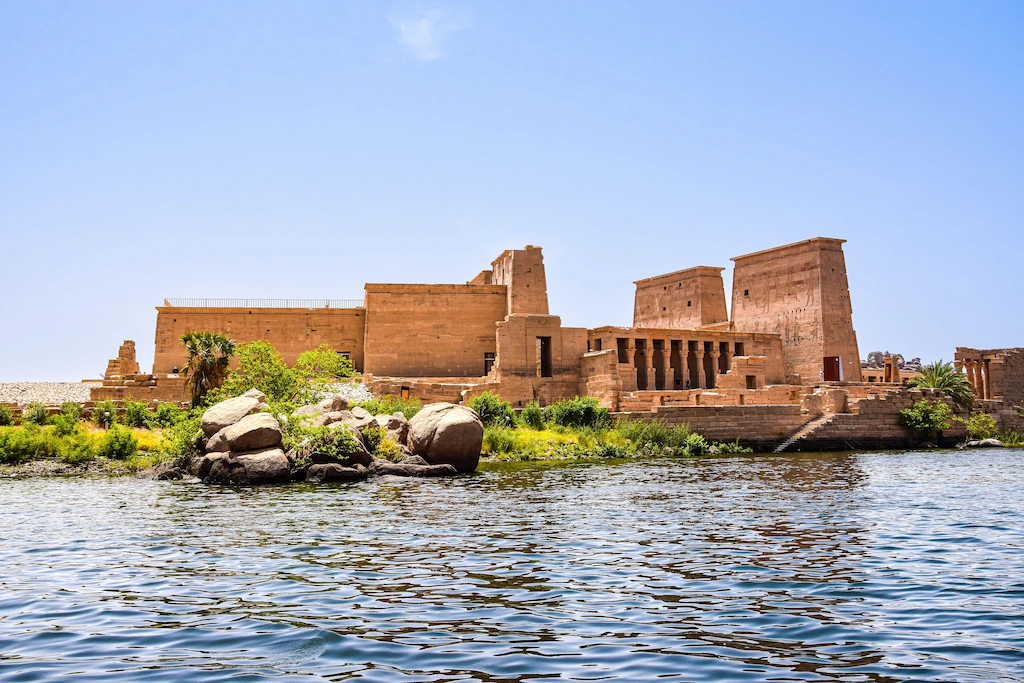
Philae, moved island by island to save it from the rising lake, and a felucca among the granite boulders. Transfer to the Red Sea coast in the afternoon. Overnight on the coast.
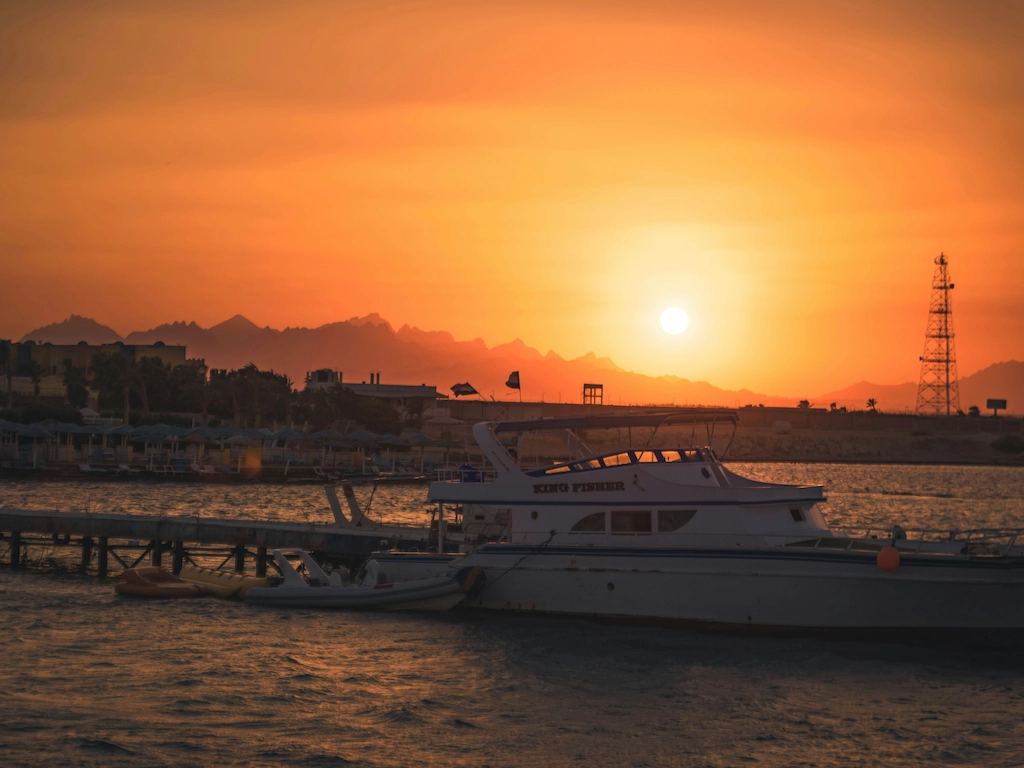
A morning by the water before your transfer to Hurghada airport.
Need help with booking? Send Us A Message