Dahabeya Nile Cruise – Luxor to Aswan

5 Days

Overview

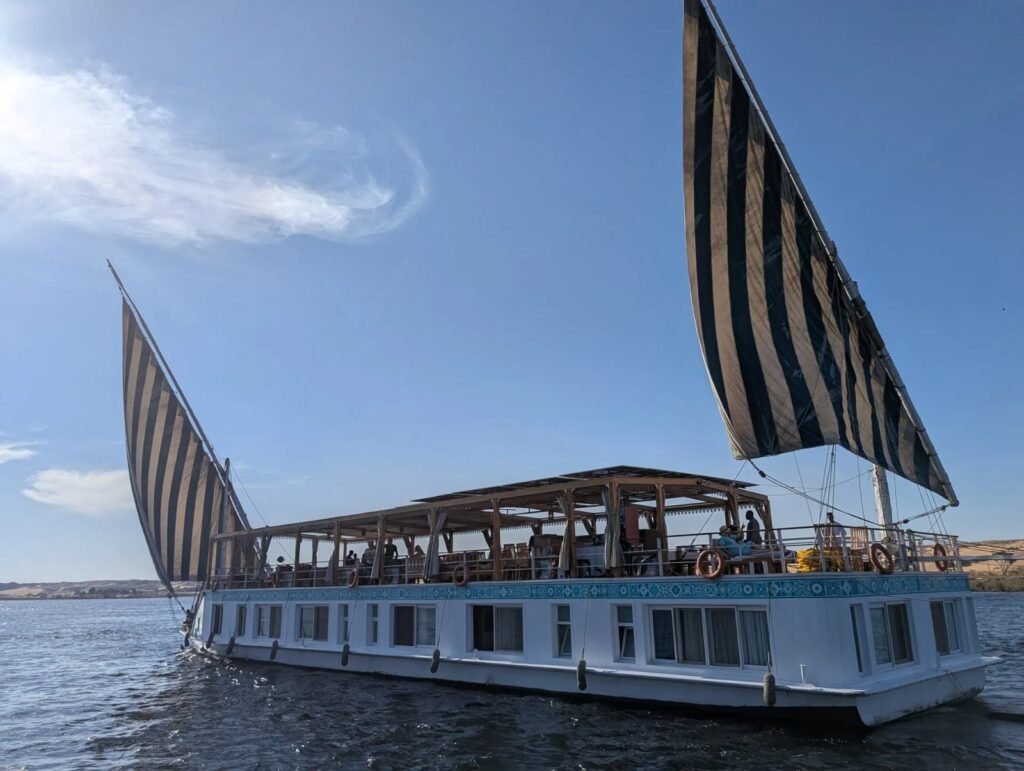
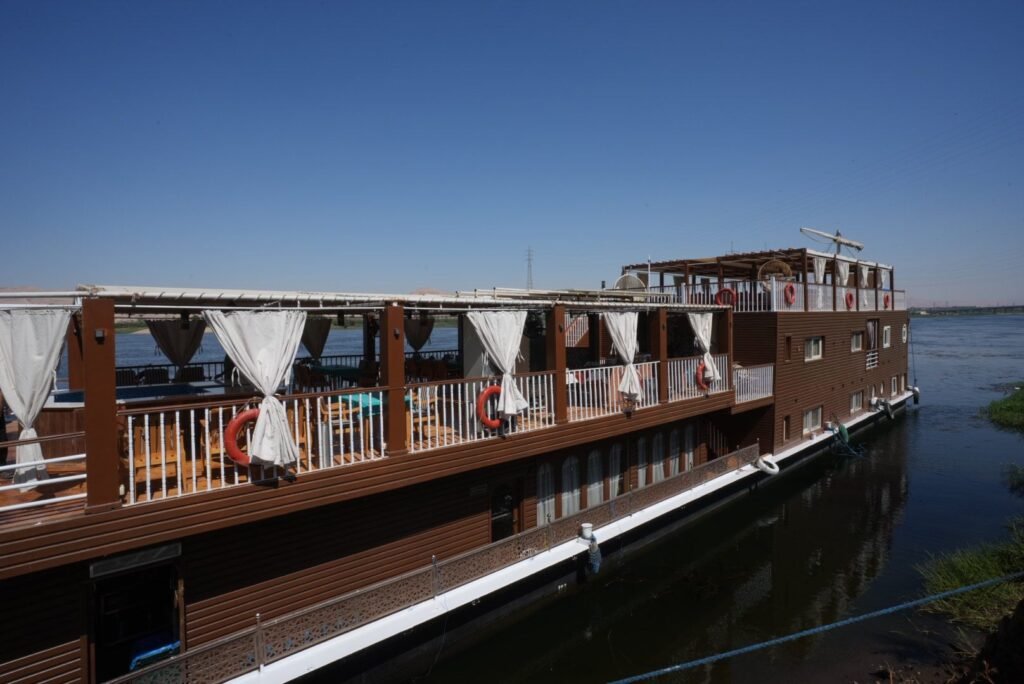
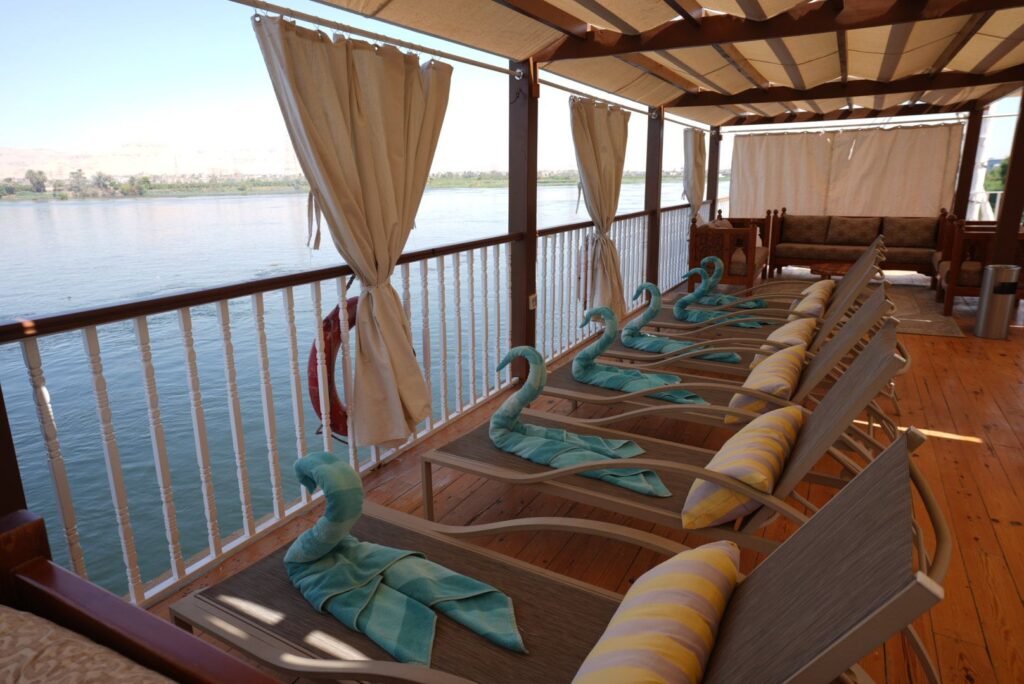
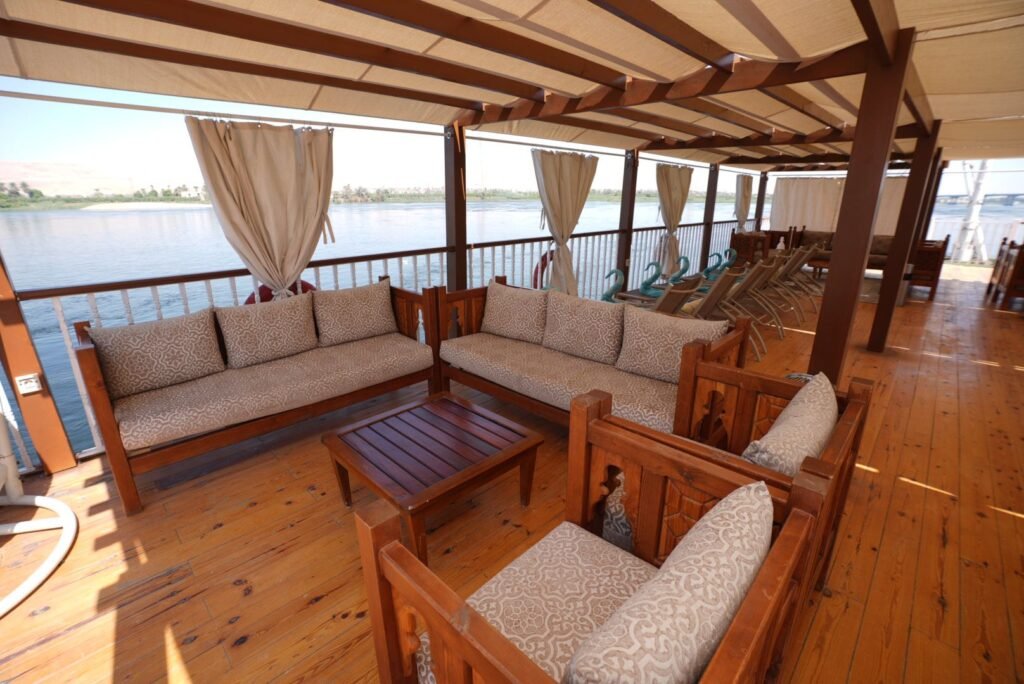
Four nights under sail from Esna to Aswan, on a wooden boat with a handful of cabins. This is the short dahabeya — the river itself rather than a full Egypt itinerary, and the best way we know to spend four days doing very little in a place worth doing very little in.

Luxor first, then the boat

The sailing begins at Esna, but Luxor comes first and both banks of it are in the programme. You arrive and go straight to the East Bank in the afternoon: Karnak, then Luxor Temple as the light goes. The next morning, early, across to the West Bank for the Valley of the Kings and Hatshepsut, before the heat and before the coaches. Only then does the boat cast off from Esna, and from that point the river sets the pace: Edfu has a day of its own, and so does the stretch through Gebel el-Silsila and Kom Ombo to the Nubian shore.

Both of those days are driven in a private air-conditioned car with your Egyptologist, and every entrance fee is in the price. It is the reason this journey works as a complete trip rather than a river section: you see the largest temple complex in Egypt and the royal tombs, and then you stop moving for four days.

Your ticket to the Valley of the Kings covers three tombs and which ones are open rotates, so nobody can promise a particular one in advance — here is how to choose from whatever is open. If you want longer in Luxor, we add nights before you board (four of them here), and the eight-day version runs the same river all the way to Abu Simbel.

What is on this stretch of river

Esna. The Temple of Khnum sits nine metres below the modern town, which grew up over it. You look down into a hypostyle hall with its ceiling intact and its astronomical decoration still readable.

Edfu. The most complete temple in Egypt, roof on, pylon standing, reached by horse carriage from the mooring.

Gebel el-Silsila. The sandstone quarries that built Karnak and Edfu, with rock-cut shrines and inscriptions where the river narrows. There is no quay, which is exactly why the big ships pass it and a dahabeya can tie up.

Kom Ombo. A double temple at the water’s edge, everything mirrored for two gods, with a room of mummified crocodiles beside it.

Philae. The island temple of Isis at Aswan, moved stone by stone when the dam went up.

Does it sail?

When there is wind, yes, and the engine goes off. When there is not, a small tug takes the boat in hand so the schedule holds. Anyone who tells you their dahabeya sails the whole way is describing a hope rather than a river. The days it does sail are the ones you will describe afterwards.

Honestly

Four nights is short. You will want a fifth by day three, which is either a recommendation or a warning depending on how you read it.

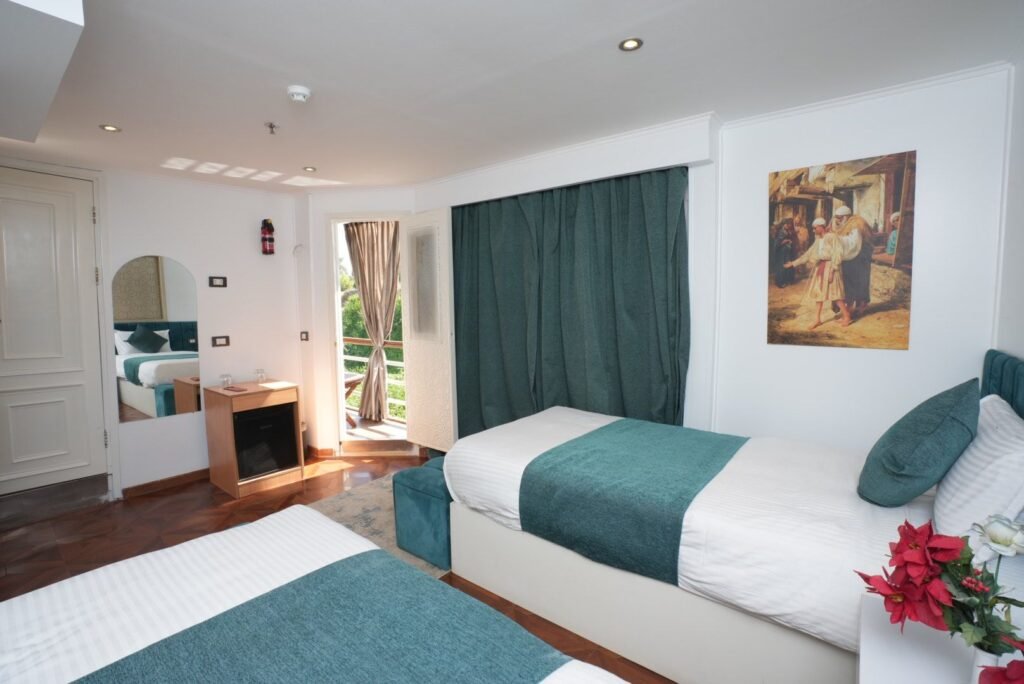
Cabins are compact and the stairs are narrow. There is no pool, no lift and no evening programme beyond the deck and the people on it. Going ashore sometimes means a plank and a hand. If mobility is a concern, tell us before you book and we will describe each mooring honestly rather than let you find out.

Who it suits

People who have seen Luxor already, or are seeing it separately. Anyone who wants the river rather than a checklist. Readers, photographers, and anybody who has done a large cruise somewhere and did not enjoy the scale.

Not for guests who want a pool and a programme, and not the right first Egypt trip on its own — it is the middle of a longer journey, not the whole of one.

Slower, or differently — always possible. Tell us how you like to travel and we will rebuild the day around it.

Still deciding between a sailing boat and a five-star ship? Here is the honest comparison, and a month-by-month guide to when the Nile is at its best.

Trip Highlights

  • A small wooden dahabeya with only a handful of cabins, and no crowds
  • Both banks of Luxor first: Karnak and Luxor Temple, then the Valley of the Kings and Hatshepsut
  • Esna’s Temple of Khnum, sunk below the level of the modern town, and the lock
  • A full day for Edfu, reached outside the hours when the convoys arrive
  • Gebel el-Silsila, the quarries that built the temples — the big ships cannot moor there
  • Kom Ombo, the Nubian shore above Aswan, and Philae by boat on the last morning

Departure dates

We sail every Saturday from Luxor. Availability changes daily, so we confirm your cabin in writing before you pay anything — ask us for the date you want.

  • 26 September 2026SaturdayAsk
  • 3 October 2026SaturdayAsk
  • 10 October 2026SaturdayAsk
  • 17 October 2026SaturdayAsk
  • 24 October 2026SaturdayAsk
  • 31 October 2026SaturdayAsk
  • 7 November 2026SaturdayAsk
  • 14 November 2026SaturdayAsk
  • 21 November 2026SaturdayAsk
  • 28 November 2026SaturdayAsk
  • 5 December 2026SaturdayAsk
  • 12 December 2026SaturdayAsk
  • 19 December 2026SaturdayAsk
  • 26 December 2026SaturdayAsk
  • 2 January 2027SaturdayAsk
  • 9 January 2027SaturdayAsk

Saturdays continue weekly beyond the dates listed — ask for any date that is not shown. For a family or a group of friends we also charter the whole boat privately, on almost any date you like.

Tour Itinerary

You are met on arrival and the afternoon goes to the East Bank, in a private air-conditioned car with your Egyptologist. Karnak first — two thousand years of building by successive pharaohs, and a hypostyle hall of 134 columns that reliably stops people talking. Then Luxor Temple as the light softens, with the avenue of sphinxes running between the two.

Afterwards the transfer south to Esna, about an hour by road, where the dahabeya is moored. You meet the crew, take your cabin and eat on board. First night at the riverbank.

An early start and back across to the West Bank, because the tombs are cool and quiet at that hour and neither of those things lasts. The Valley of the Kings with three tombs, chosen by your guide from whichever are open that day, then Hatshepsut’s terraces cut into the cliff at Deir el-Bahari, and the Colossi of Memnon on the way back.

Back at Esna by late morning, and the Temple of Khnum is a short walk from the mooring — nine metres below the level of the modern town, which grew up over it, with its ceiling colours newly cleaned. In the afternoon the boat passes through the Esna lock, which takes as long as it takes and is its own small spectacle, and then it is open river. Overnight moored between Esna and Edfu.

A slow morning on the water before Edfu. A horse carriage carries you up from the mooring to the Temple of Horus — the most complete temple in Egypt, its roof on, its pylon standing to full height, the black granite falcon still on guard at the gate. Because the sand buried it for centuries, the reliefs inside read almost like a manual for how a temple was run.

You go in outside the hours when the convoys arrive, which is the whole advantage of a boat this size. Sailing on in the afternoon: sugar cane, water buffalo, herons, children on the bank. Overnight at a quiet mooring.

A morning at Gebel el-Silsila, where the river narrows between sandstone cliffs and the stone for Karnak and Edfu was quarried out of them. Rock-cut shrines, stelae and the chapel of Horemheb. There is no quay here, which is exactly why the big ships pass it and a dahabeya can tie up.

Then Kom Ombo, standing directly at the water’s edge, so you step off the boat and walk up to it: a double temple, everything mirrored down the middle, the right half for Horus the Elder and the left for Sobek the crocodile, with several hundred mummified crocodiles in a chapel beside it.

The last stretch of sailing runs into the granite. The landscape changes, the water clears, and the painted Nubian villages come down to the bank — time ashore for tea and a walk through the lanes above the water. Overnight moored near Aswan.

A short motorboat crossing to the island Temple of Philae, dedicated to Isis and moved block by block to higher ground when the dam went up. It was the last working temple of the old religion in Egypt, still in use into the sixth century.

Afterwards a felucca under sail past Elephantine Island and the Aga Khan mausoleum, with no engine anywhere, before the transfer to your onward connection in Aswan. End of services.

Costs

The Cost Includes

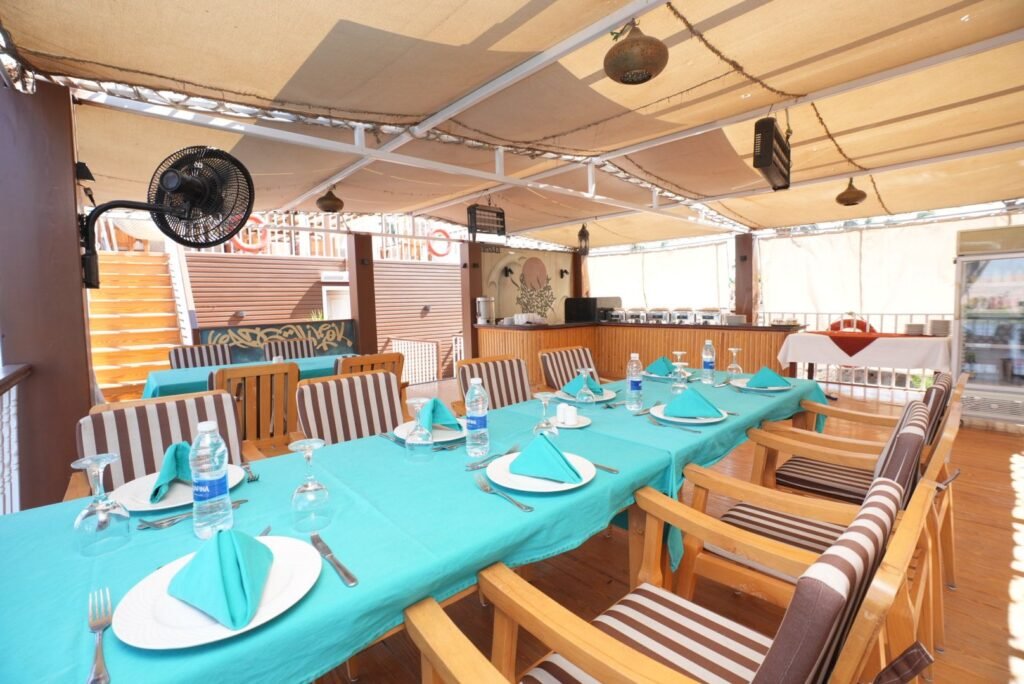
  • 4 nights aboard a private dahabeya, full board
  • All meals on board — breakfast, lunch and dinner
  • Private Egyptologist guide throughout
  • All transfers in air-conditioned vehicles
  • Entrance fees to every temple in the itinerary
  • Sailing fees and onboard crew service
  • Bottled water and tea on board

The Cost Excludes

  • International flights
  • Egypt entry visa (30 USD in cash on arrival for most nationalities, or an e-visa applied for in advance)
  • Travel insurance
  • Optional excursions (Abu Simbel, hot air balloon)
  • Drinks outside meals and personal expenses
  • Tips for guide and crew
How is this different from a Nile cruise ship?
Size, mostly, and everything that follows from it — where the boat can moor, when you go ashore, and how loud the evenings are. We wrote it out properly here: dahabeya or cruise ship.
Do we see Karnak and the Valley of the Kings?
Are the entrance fees included?
What about drinks?
Are flights included?
Can we add Abu Simbel or a balloon?
When do the days start?
What about payment, insolvency protection, visas and insurance?
What if we have to cancel?

Enquiry

Dr. Sherif Azab-Els reads and answers these himself, usually within a day. An enquiry costs you nothing and commits you to nothing.
Dahabeya Nile Cruise – Luxor to Aswan
From $1,835/ Adult

Need help with booking? Send Us A Message

German tour operator
Money protected
Twelve at most
A person, not a desk